
tempered acid etched glass
Understanding Spirit Level Prices A Comprehensive Overview The spirit level, also known as a bubble level, is an essential tool in construction, woodworking, and a variety of other applications where precision is critical. Its primary function is to determine whether a surface is horizontal (level) or vertical (plumb). With a simple yet effective design, it utilizes a small, sealed vial containing a liquid and an air bubble, which indicates alignment when centered between two marked lines. The price of spirit levels can vary significantly based on brand, material, features, and accuracy. This article will delve deep into the factors influencing spirit level prices and why investing in a quality level is crucial for professional and hobbyist use alike. Factors Influencing Spirit Level Prices 1. Material and Build Quality Spirit levels are commonly made from materials like plastic, aluminum, or wood. Plastic levels are generally more affordable but might lack the durability and precision offered by their aluminum or wooden counterparts. Aluminum levels, while slightly pricier, are resistant to impact and corrosion, making them suitable for harsh working conditions. Wooden spirit levels, though often more expensive, are cherished for their aesthetic appeal and traditional craftsmanship. 2. Length and Size Spirit levels come in various lengths, typically ranging from 16 inches to 48 inches or more. Longer levels tend to be more expensive due to the additional material and precision required in manufacturing. While shorter levels are ideal for small projects or confined spaces, longer levels provide a greater reference for long structures, making their higher price tag worthwhile for extensive projects. 3. Precision and Accuracy The level of precision significantly affects the price. Higher-end spirit levels often feature more accurate vials and additional calibration mechanisms, ensuring that measurements are reliable. Professional-grade levels may incorporate advanced features like digital displays that provide exact readings, which can justify their higher costs for those in need of such specifications. 4. Brand Reputation As with many tools, brand reputation plays a crucial role in pricing. Established brands known for quality and durability, such as Stabila, Empire, or Johnson, often command higher prices. This premium is often justified by the warranties, reliability, and customer service they offer. In contrast, lesser-known brands may provide more cost-effective alternatives but might compromise on quality or accuracy. spirit level price 5. Additional Features Some modern spirit levels incorporate additional features, such as magnetic strips for easy attachment to metal surfaces, shockproof vials, or built-in laser levels. These added functionalities can significantly increase the price but also enhance the tool’s versatility and ease of use. Why Invest in a Quality Spirit Level? Investing in a high-quality spirit level is vital for several reasons. First, accuracy is paramount in construction and woodworking; even slight misalignments can result in significant issues down the line. A precise spirit level ensures that structures are aligned correctly, reducing the likelihood of costly mistakes. Second, durable spirit levels tend to withstand the rigors of construction environments. A well-constructed level will last longer, maintaining its accuracy over time while cheaper alternatives may degrade or become inaccurate after repeated use. Lastly, a reliable spirit level instills confidence in both professionals and DIY enthusiasts. Knowing that you have a tool that delivers consistent and accurate results allows for smoother project execution and superior craftsmanship. In conclusion, while spirit level prices can vary widely, understanding the factors that contribute to these variations is essential for making an informed purchase. Whether you are a professional builder or a weekend DIYer, selecting the right spirit level can significantly impact the quality and success of your projects.
about
tempered acid etched glass
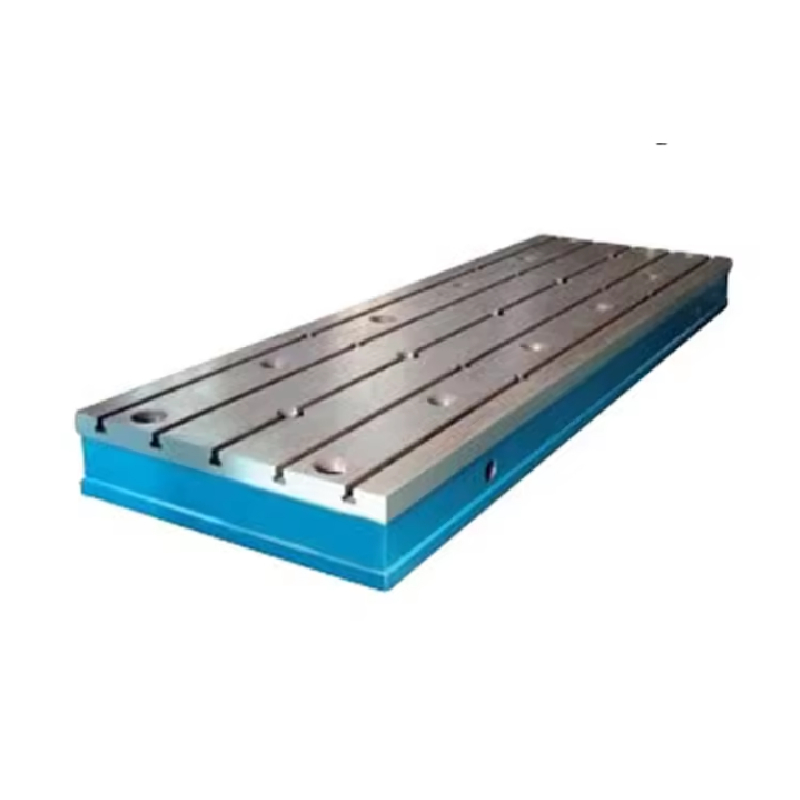
Stalowe płyty pomiarowe z żeliwa szarego Kluczowy element w precyzyjnym pomiarze W dzisiejszym przemyśle motoryzacyjnym, lotniczym i wielu innych branżach inżynieryjnych, precyzyjny pomiar jest absolutnie niezbędny. Jednym z najważniejszych narzędzi służących do osiągnięcia tej precyzji są żeliwne płyty pomiarowe z odpowiednio przygotowanymi rowkami T, które umożliwiają stabilne mocowanie różnych narzędzi, przyrządów i elementów. W artykule tym omówimy, dlaczego płyty te są tak istotne oraz jakie mają zastosowanie. Czym są płyty pomiarowe z żeliwa szarego? Płyty pomiarowe, w tym te wykonane z żeliwa szarego, to duże, płaskie powierzchnie, które są stosowane jako podstawa do pomiarów mechanicznych. Żeliwo szare jest preferowanym materiałem ze względu na swoje właściwości, takie jak wysoka stabilność wymiarowa, odporność na odkształcenia oraz doskonałe właściwości tłumiące drgania. Te cechy sprawiają, że płyty z tego materiału są idealne do precyzyjnych pomiarów, szczególnie w warunkach produkcji przemysłowej. Rowki T - zastosowanie i korzyści Jednym z kluczowych elementów tych płyt są rowki T, które są frezowane na powierzchni płyty. Rowki te służą do mocowania różnych narzędzi, takich jak większe przyrządy pomiarowe czy elementy do obróbki. Dzięki nim użytkownik może w łatwy sposób ustawić i zabezpieczyć narzędzie w odpowiedniej pozycji . Stabilność mocowania jest kluczowa, aby uniknąć błędów pomiarowych, które mogą prowadzić do wadliwych produktów lub niezgodności w procesach produkcyjnych. t slot cast iron surface plate Dzięki rowkom T, płyty pomiarowe z żeliwa szarego stają się wszechstronny narzędziem, umożliwiającym różne konfiguracje. Użytkownicy mogą łatwo dostosować położenie narzędzi, co zwiększa elastyczność i efektywność procesów pomiarowych i obróbczych. Zastosowania płyt pomiarowych z żeliwa szarego Płyty pomiarowe są wykorzystywane w różnych dziedzinach przemysłu. W warsztatach mechanicznych i zakładach produkcyjnych służą do oceniania tolerancji wymiarów, sprawdzania prostoliniowości oraz pomagają w ustawianiu maszyn i narzędzi. W laboratoriach metrologicznych płyty te są często stosowane jako baza do bardziej zaawansowanych pomiarów, w tym pomiarów kątów, wysokości czy poziomości. Dzięki swojej wytrzymałości i stabilności, płyty pomiarowe z żeliwa szarego są również wykorzystywane w przemyśle motoryzacyjnym do pomiarów części silników czy podzespołów układów napędowych. W przemyśle lotniczym z kolei, gdzie precyzja jest kluczowa, te płyty stanowią podstawę dla dalszych analiz i badań nad nowymi technologiami oraz komponentami. Podsumowanie Płyty pomiarowe z żeliwa szarego z rowkami T są niezwykle ważnym narzędziem w nowoczesnym przemyśle. Ich właściwości materiałowe oraz wszechstronność w zastosowaniach pomiarowych czynią je niezastąpionymi w wielu branżach. Zapewniając stabilność i precyzję, te płyty przyczyniają się do zachowania wysokich standardów jakości w produkcji i inżynierii. W miarę rozwoju technologii ważność tych narzędzi będzie tylko rosła, a ich zastosowania będą się rozszerzać na nowe tereny przemysłowe.
-

High quality industrial productsagement

High quality industrial products
View Details -

Meet the diverse needs of customers

Meet the diverse needs of customers
View Details -

Strict quality control

Strict quality control
View Details -

Top raw materials

Top raw materials
View Details -

Trusted supplier

Trusted supplier
View Details
Our application
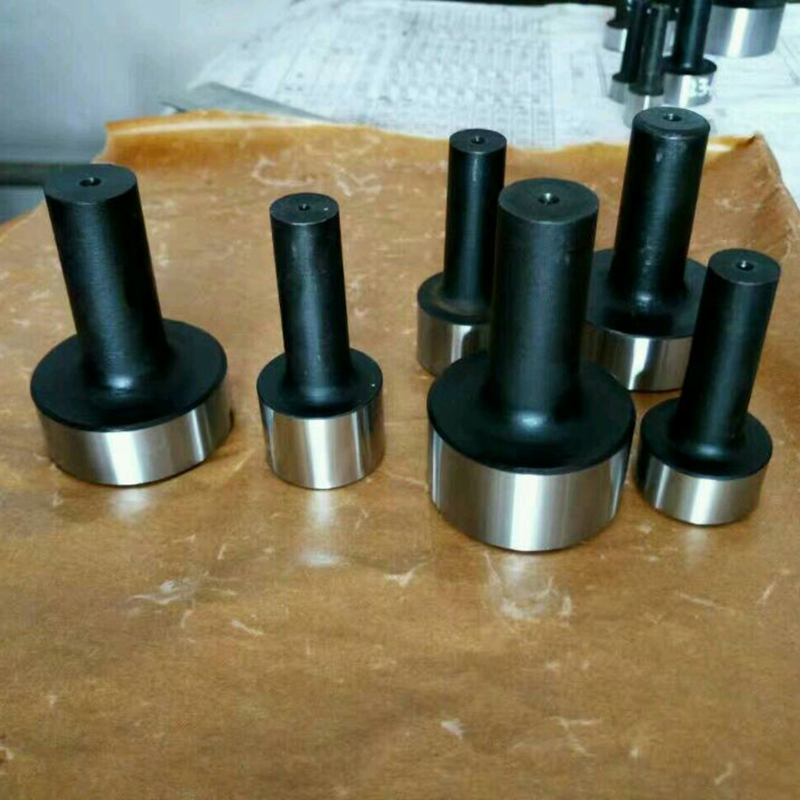
news and information
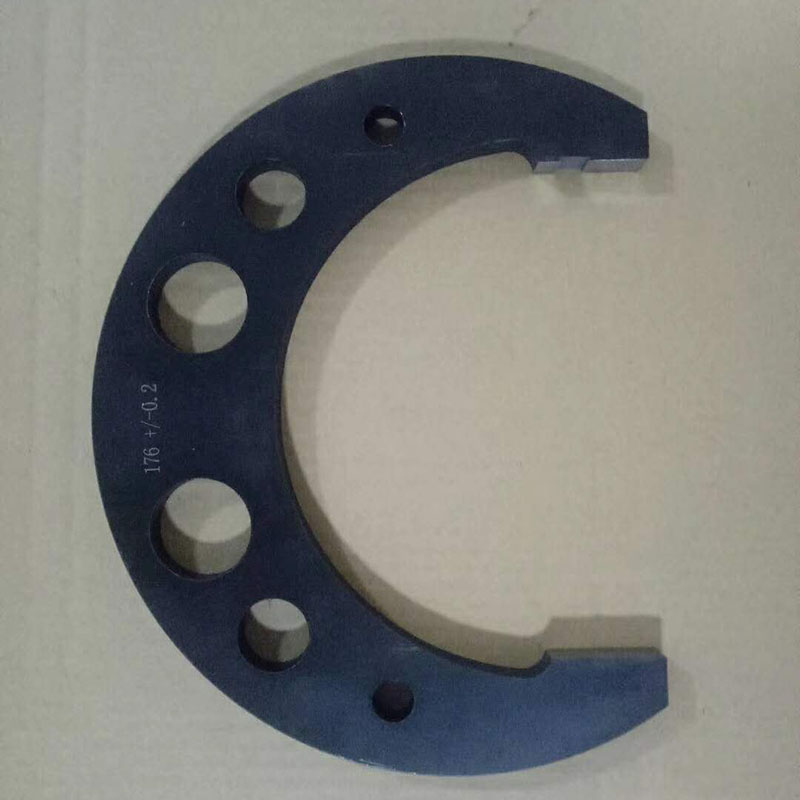
Using a Right Angle Ruler for Accurate Measure and Design in Everyday Projects
The Versatility of the Ruler with Right Angle A Tool of Precision and Creativity The ruler with a ri

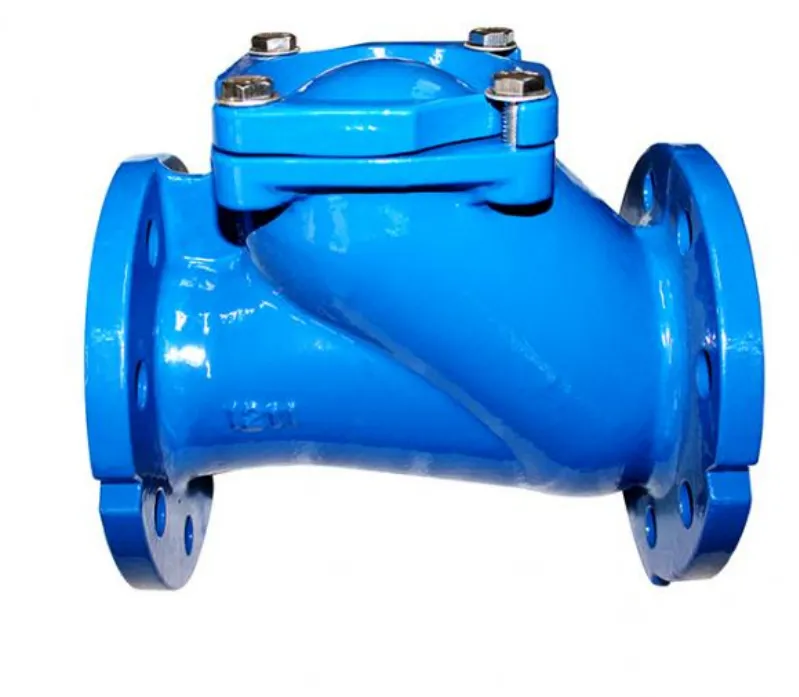
water valve repair
Water Valve Repair A Comprehensive Guide Water valves play a crucial role in the plumbing systems of
Wholesale Suppliers for High-Quality Ball Valves in Various Sizes and Materials
ball valves wholesale .
 English